
Grace Nakato grows tomatoes on three acres outside Jinja, Uganda. For years, her biggest headache was not the harvest — it was what happened after. Beautiful tomatoes, picked at the right time, turning soft and unmarketable long before they reached Kampala.
“I was losing money not at the farm but on the road,” she says. “The fruit could not survive the journey.”
Last season, Grace switched to Martina F1 tomato seeds. Her fruit arrived at the market firm, red, and sellable — and she sold her entire harvest at full price for the first time in four seasons.
This is what Martina F1 tomato seeds were built for. Not just high yield — but a harvest that holds its quality all the way from your field to your buyer’s hands.
Why Shelf Life Is the Most Underrated Trait in a Tomato Seed
Most farmers evaluate tomato seeds on two things: yield and disease resistance. Both matter enormously. But there is a third factor that quietly determines whether a season is truly profitable — and it is one many farmers only think about after harvest day.
Shelf life is the length of time your tomato fruit stays firm, red, and saleable after picking. For a farmer selling to a local market two kilometres away, it matters a little. For a farmer trucking produce to Kampala, Nairobi, Dar es Salaam, or an export facility — it matters enormously.
Research shows that post-harvest losses account for between 20% and 50% of tomato production in Sub-Saharan Africa — losses that happen not in the field but in transit and at market (FAO, 2011). A variety with poor shelf life turns a good harvest into a partial loss before the farmer has even been paid.
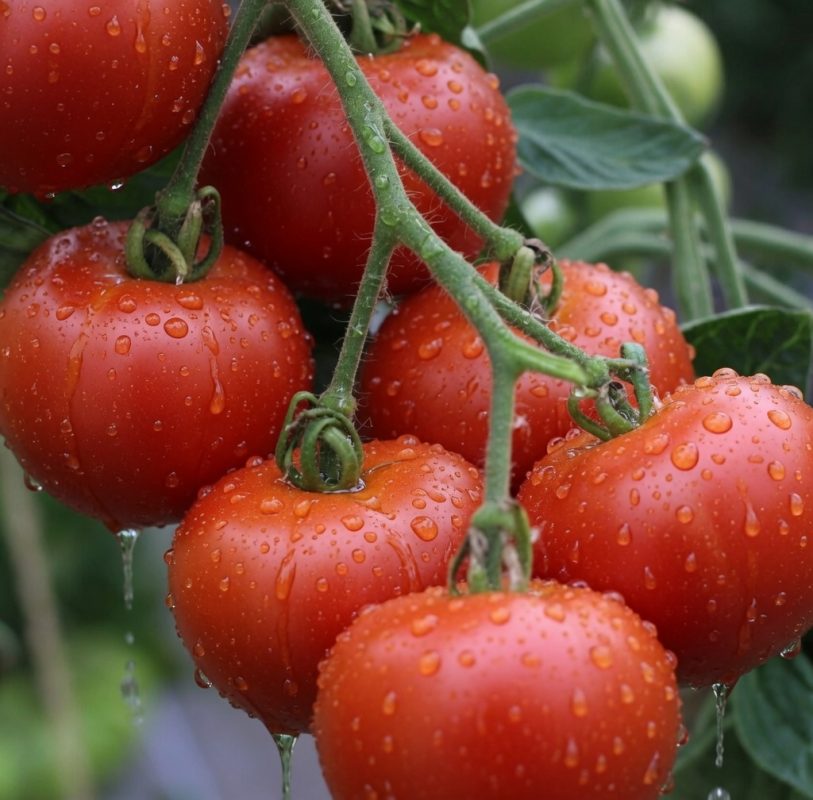
Martina F1 tomato seeds address this directly. The variety produces firm, thick-walled fruit that maintains its structure, colour, and eating quality significantly longer than most standard varieties — giving commercial farmers the window they need to sell their harvest at the best possible price.
What Makes Martina F1 Tomato Seeds Stand Out
Martina F1 is a premium commercial tomato variety designed with market performance in mind from the ground up. Here is what sets it apart:
- Exceptional shelf life. Martina F1 fruit is firm and thick-walled, staying marketable for significantly longer after harvest than softer varieties. Whether you are selling locally or transporting over long distances, the fruit holds its quality when it matters most.
- Uniform, professional-grade fruit. Martina F1 produces round, consistently sized tomatoes with a deep red colour that buyers at wholesale markets, supermarkets, and export facilities immediately recognise as premium quality. Uniformity means better prices and less sorting time at harvest.
- Strong disease resistance. Martina F1 carries resistance to key tomato diseases, reducing the spray rounds needed to protect the crop and keeping input costs manageable across the season.
- High yield from a vigorous plant. The variety combines excellent fruit quality with strong production — delivering the volume commercial farmers need to make a season financially worthwhile.
- Reliable performance across conditions. Martina F1 is suited to both greenhouse and open-field production, making it a versatile choice for farmers across Uganda, Kenya, Tanzania, and the wider Sub-Saharan Africa region.
| “With other varieties I picked a beautiful crop and watched it soften before I could sell it all. Martina F1 stays firm. My buyers have started asking for it by name.” — Commercial tomato farmer, Eastern Uganda |
Martina F1 Tomato Seeds and the Commercial Market: A Perfect Match
The commercial tomato market in Sub-Saharan Africa is more competitive than it has ever been. Buyers at wholesale markets, processing facilities, and supermarket chains have become more selective — and farmers who cannot deliver consistent, quality fruit are finding it harder to command good prices.
Martina F1 tomato seeds were bred specifically to meet commercial market standards. The firm, uniform fruit with its long post-harvest life is exactly what research identifies as the key quality traits buyers prioritise — reducing the pressure on farmers to rush their harvest to market before quality deteriorates.
For farmers selling to hotels, restaurants, institutions, and export buyers — markets that demand consistency above all else — Martina F1 tomato seeds deliver the kind of harvest that builds lasting buyer relationships and repeat business season after season.
How to Grow Martina F1 Tomato Seeds for Maximum Yield
Martina F1 rewards careful management. Follow these practices for the strongest possible results:
- Prepare a healthy nursery. Raise seedlings under insect-proof net to protect against whitefly and the Tomato Yellow Leaf Curl Virus it carries. Use clean, sterilised nursery media — Martina F1 plants start strong when the foundation is right.
- Transplant at the right stage. Move seedlings at 15–20 cm height, typically 21–28 days after sowing. Transplant in the early morning or late afternoon to minimise heat stress.
- Space for airflow. Plant at 60–70 cm between plants and 90–100 cm between rows. Good spacing around Martina F1 plants promotes airflow through the canopy, reduces humidity, and directly lowers disease pressure — all of which protect fruit quality right through to harvest.
- Irrigate steadily and efficiently. Consistent irrigation — ideally drip — supports the fruit development that gives Martina F1 its characteristic firmness. Uneven watering leads to blossom end rot and cracking, both of which reduce shelf life and marketability.
- Feed with precision. Apply a balanced NPK fertiliser at transplanting, top-dress at flowering, and supplement with a foliar micronutrient product like Epso Microtop — available from POFI — during fruit development. Good nutrition is what gives Martina F1 fruit its deep red colour and dense flesh.
- Stake firmly and early. Martina F1 is a productive, vigorous variety — stake plants at transplanting and tie them regularly as they grow. Unsupported plants drag on the ground, damaging fruit and increasing disease contact.
Sucker Removal: Protecting Martina F1’s Fruit Quality
One management practice that directly affects the shelf life and quality of Martina F1 fruit is sucker removal. A dense, poorly managed canopy traps humidity — and humidity is the enemy of firm, marketable tomatoes. Here is a clear guide to getting it right.
| What is a sucker? A sucker is a small shoot that grows in the V-shaped ‘armpit’ between the main stem and a side branch. Left to grow, it becomes a full branch — crowding the canopy, reducing airflow, and diverting energy away from the fruit Martina F1 was bred to produce.Why it matters for shelf life. A dense, humid canopy increases the risk of fungal diseases like Grey Mould and Early Blight — both of which attack fruit and reduce the post-harvest quality that makes Martina F1 commercially valuable. Regular sucker removal keeps the plant open, reduces disease pressure, and helps produce the firm, well-coloured fruit buyers pay a premium for.When to remove suckers. Remove them while small — under 3 cm long. Pinch them off cleanly with your fingers at that size. Larger suckers require cutting, leave a bigger wound, and create an entry point for disease. Check for new suckers every time you walk the field. |
Martina F1 and Martyna F1 — Two Different Varieties
If you have searched for Martina F1 tomato seeds and come across a variety called Martyna F1, it is important to know that these are two completely separate tomato varieties — and the difference matters when you are choosing seeds for a commercial season.
The similarity in names causes genuine confusion, and POFI wants to make sure every farmer orders exactly the right seed for their farm. Here is a clear side-by-side explanation:
| Martina F1 | Martyna F1 |
| Premium commercial variety with exceptional shelf life, uniform fruit, and strong disease resistance — bred for market sales and long-distance transport. | A separate F1 hybrid variety with its own distinct characteristics, growing requirements, and performance profile — not a variant or alternative spelling of Martina F1. |
| Available from POFI. Contact the team to confirm current stock and get growing advice specific to your region. | Not the same product. If your supplier or seed packet says Martyna F1, verify carefully — you are ordering a different variety with potentially different yield, disease resistance, and market performance. |
The bottom line: if you are looking for the long shelf life, uniform fruit, and commercial market performance described in this article — make sure the seed packet says Martina F1. When in doubt, contact POFI directly and the team will confirm exactly which variety is right for your farm.
Frequently Asked Questions About Martina F1 Tomato Seeds
What makes Martina F1 different from other tomato varieties?
Martina F1 tomato seeds are specifically bred for exceptional post-harvest shelf life combined with high yield and uniform fruit quality. While many varieties produce good yields in the field, Martina F1 is designed to keep performing after harvest — maintaining firmness, colour, and marketability during transport and at market. This makes it the preferred choice for commercial farmers selling at distance or into demanding wholesale and institutional markets.
Can I save seeds from Martina F1 plants?
No. As an F1 hybrid, Martina F1 does not breed true in the next generation. Seeds saved from the harvest produce plants with unpredictable traits and inconsistent fruit quality — the uniformity and shelf life that define Martina F1 will not carry through. Always order fresh certified Martina F1 tomato seeds from a trusted supplier like POFI each season.
Is Martina F1 suitable for greenhouse production?
Yes. Martina F1 is suited to both open-field and greenhouse or polytunnel production. In protected environments, its strong disease resistance and vigorous plant habit make it an excellent choice for longer production cycles. In open-field conditions, its tolerance of varied weather and strong fruit quality make it equally reliable.
How does Martina F1 compare to Simona F1 and Shatrah F1?
All three are premium F1 hybrid tomatoes available from POFI, but each has a different strength. Simona F1 is the disease specialist — carrying certified resistance to Fusarium Wilt, Verticillium Wilt, ToMV, and Root-Knot Nematodes, making it the best choice for fields with a known disease history. Shatrah F1 is the heat and stress performer — bred specifically for hot, tropical open-field conditions. Martina F1 is the commercial market variety — its combination of long shelf life, uniform fruit, and strong disease resistance makes it the top choice for farmers selling at distance or into premium markets. Contact POFI for personalised advice on which variety suits your specific farm and market.
How long does Martina F1 take from transplanting to first harvest?
Approximately 65–75 days from transplanting under good growing conditions, though this varies with temperature, soil health, and management. Confirm the precise figure with your seed supplier or the POFI team at the time of purchase.
Order Martina F1 Tomato Seeds from POFI — Worldwide Shipping
If your tomatoes are losing value between the farm and the market, the variety you plant is part of the solution. Martina F1 tomato seeds are available now from Pure Organic Farming Inputs (POFI), with worldwide shipping from our warehouse in Alkmaar, the Netherlands.
Every packet is carefully packed for safe international transit — your seeds arrive protected and ready to plant, wherever your farm is. And our team is available to answer questions about growing Martina F1 in your specific region, free of charge with every order.
Planting season comes around fast. Order today and make sure your next harvest arrives at market in the condition it deserves.
- pureorganicfarminginputs@protonmail.com
- +31 6 49655575
- Amerlandstraat 83, Alkmaar, Noord Holland, The Netherlands
Stock is limited each season. Contact us today to confirm availability and place your order.
References
Food and Agriculture Organization (FAO) (2011). Global food losses and food waste. FAO, Rome. https://www.fao.org/3/mb060e/mb060e00.htm
Muthoni, J., Shimelis, H. and Melis, R. (2010). Tomato production in Uganda: constraints and opportunities for improved cultivar development. African Journal of Agricultural Research, 5(21), pp. 2935–2945.
Barchenger, D.W. et al. (2021). Accelerating the Development of Heat Tolerant Tomato Hybrids through a Multi-Traits Evaluation of Parental Lines. Agronomy, 11(10), 2024. https://www.ncbi.nlm.nih.gov/pmc/articles/PMC8539001/
Ahmad, H. et al. (2017). Influence of sucker pruning and old leaves removal on growth and yield of tomato. Journal of Bioscience and Agriculture Research, 12(2), pp. 1048–1053. https://doi.org/10.18801/jbar.120217.128
Perez, K. et al. (2017). Connecting smallholder tomato producers to improved seed in West Africa. Agriculture & Food Security, 6(1), p. 49. https://agricultureandfoodsecurity.biomedcentral.com/articles/10.1186/s40066-017-0118-4
National Agricultural Research Organisation (NARO) Uganda. Tomato Production and Disease Management Guide. Kampala: NARO. https://www.naro.go.ug
CABI (2025). Tuta absoluta (South American tomato leafminer) — Datasheet. Centre for Agriculture and Bioscience International. https://www.cabi.org
CABI (2025). Ralstonia solanacearum (bacterial wilt of tomato) — Datasheet. Centre for Agriculture and Bioscience International. https://www.cabi.org
Food and Agriculture Organization (FAO) (2016). Integrated Pest Management for Tomato. FAO Plant Production and Protection Division. Rome: FAO. https://www.fao.org
EPPO Global Database (2025). Phytophthora infestans, Fusarium oxysporum f.sp. lycopersici, Bemisia tabaci — Pest Datasheets. European and Mediterranean Plant Protection Organization. https://gd.eppo.int
Hazera Genetics. Simona F1 Tomato — Variety Data Sheet. Hazera Seeds. https://www.hazera.com
Pure Organic Farming Inputs (POFI) (2025). Martina F1 Seeds — Product Listing. Kampala, Uganda. https://www.facebook.com/POFIUganda