
A Complete Step-by-Step Guide
Why Cucumbers Are One of the Smartest Crops You Can Grow
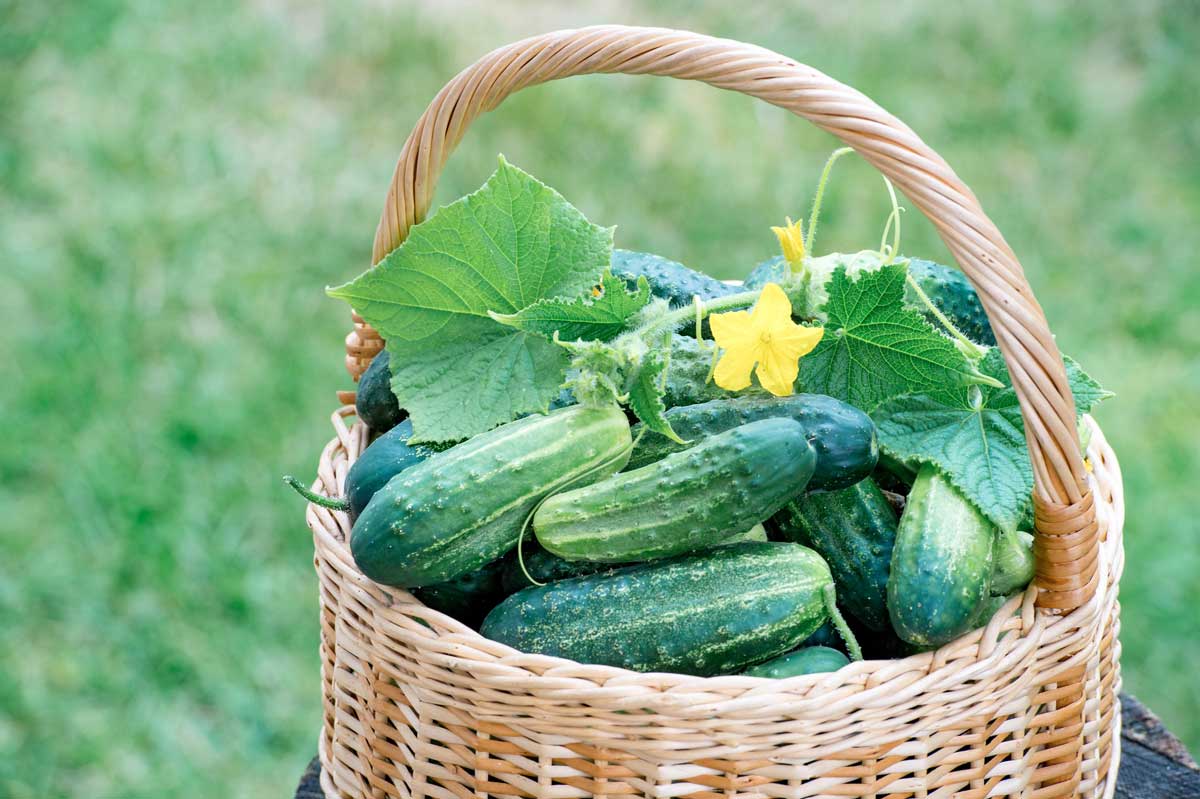
Cucumbers are one of the fastest, most rewarding crops a farmer can grow in Sub-Saharan Africa. They germinate quickly, mature in as little as 6–10 weeks, and produce a steady harvest for months once they get going. Whether you are growing on a small plot behind your house or managing a commercial field for the local market, cucumbers offer a short path from seed to income.
They are also one of the most forgiving crops for farmers moving toward organic methods. Cucumbers do not need a complicated input programme to thrive — what they need is good soil, consistent water, the right spacing, and early attention to pests and disease. Get those fundamentals right, and you can grow a heavy, healthy crop without relying on synthetic fertilisers or chemical pesticides.
This guide walks through the complete process of growing organic cucumbers, from choosing your seeds through to harvest and storage — written for farmers across Uganda, Kenya, Tanzania, Ethiopia, Rwanda, and the wider Sub-Saharan Africa region.
Step 1: Choosing the Right Site and Season
Cucumbers are a warm-season crop. They grow best at temperatures between 18°C and 30°C, and they are sensitive to frost and to prolonged cold, wet conditions. Across most of Sub-Saharan Africa, this means cucumbers can be grown for most of the year at lower elevations, while highland growers should time planting to avoid the coldest months.
What to look for in a site:
- Sunlight: At least 6–8 hours of direct sunlight daily. Cucumbers grown in shade produce fewer, smaller fruits.
- Soil drainage: Cucumbers dislike waterlogged roots. Choose a site that drains well, or build raised beds if your soil holds water.
- Soil depth: Cucumbers are deep-rooted. Aim for soil that is workable to at least 30–40 cm.
- Wind protection: Young cucumber vines can be damaged by strong wind. A windbreak of taller plants or a structure nearby can help in exposed fields.
- Previous crops: Avoid planting where cucumbers, melons, pumpkins, or other cucurbit family crops grew in the last season — this reduces the build-up of soil-borne disease.
Step 2: Preparing Organic Soil
Healthy soil is the foundation of organic cucumber growing. Since you are not relying on synthetic fertiliser to correct problems later, it pays to get the soil right before you plant.
Soil preparation steps:
- Test your soil if possible. Cucumbers prefer a pH range of 6.0–7.0. If your soil is testing more acidic, agricultural lime can help bring it into range.
- Work in well-decomposed organic matter. Compost or well-rotted manure improves both fertility and water retention. Incorporate it into the planting area at least 2–3 weeks before planting so it has time to integrate into the soil.
- Dig or till to break up compaction. Loosen soil to allow roots to spread freely and water to drain properly.
- Build raised beds in wetter areas. Raised beds improve drainage significantly and reduce the risk of root rot and soil-borne disease in regions with heavy rainfall.
- Apply organic plant food at planting. A product like Organic Vegetable Plant Food gives your cucumber seedlings a clean nutritional start without synthetic chemicals.
Step 3: Selecting Quality Organic Seeds
Your harvest begins with your seed choice. Certified organic cucumber seeds give you a head start in three important ways: stronger early vigour, better resistance to common seedling diseases, and confidence that you are building a genuinely organic crop from day one.
Look for seeds that are:
- Certified organic and free from synthetic seed treatments
- Suited to your climate — fast-growing varieties for warmer, lower-altitude areas; varieties with some disease tolerance for wetter, highland regions
- Sourced from a trusted supplier — counterfeit or poorly stored seed is one of the most common causes of disappointing germination across the region
A reliable option for organic growers is the Organic Cucumber Seed Packet from Pure Organic Farming Inputs (POFI), bred for fast growth and high production in tropical and home-garden conditions.
Step 4: Planting — Direct Sowing vs. Nursery Raising
Cucumbers can be established either by sowing seeds directly into the field or by raising seedlings in a nursery first and transplanting them later. Each has advantages.
Direct sowing:
- Simpler and cheaper — no transplanting shock
- Best suited to areas with stable, warm conditions
- Plant 2–3 seeds per hole, about 2 cm deep
- Space holes 90–100 cm apart if growing along the ground; as little as 30–45 cm apart if trellising, since vertical growth needs far less ground space
- Thin to the strongest single seedling once plants reach 3–4 true leaves
Nursery raising:
Note: unlike tomatoes, cucumbers transplant less readily because their roots dislike disturbance. Many commercial growers across the region direct-sow for this reason. Nursery raising still works well for smallholders who want more control over early growth, but if you are farming at scale, weigh the extra labour and risk of transplant shock against the simplicity of direct sowing.
- Gives you more control over early growth conditions
- Useful in areas with unpredictable weather or a short growing window
- Use a clean, well-drained seedling medium to avoid early disease
- Handle seedlings gently when transplanting — cucumber roots are sensitive to disturbance
- Transplant once seedlings have 2–3 true leaves, ideally in the cool of the evening to reduce transplant stress
Step 5: Spacing, Staking, and Trellising
Proper spacing and support are two of the most underrated factors in cucumber yield and disease control.
Spacing guidelines:
- Non-trellised (ground-grown): 90–100 cm between plants, with rows spaced about 100–120 cm apart to allow vines to sprawl
- Trellised: as little as 30–45 cm between plants, since vertical growth uses far less ground space — this is why trellising is the better choice for farmers working with limited land
Why staking and trellising matter:
- Keeps fruit off the soil, reducing contact with soil-borne disease and pests
- Improves airflow around leaves, which lowers humidity around the canopy and reduces fungal disease risk
- Makes fruit easier to find and harvest, keeping vines productive for longer
- Produces straighter, more market-ready fruit
Stake plants roughly two weeks after germination using bamboo poles, strings, or a simple trellis frame. As vines grow, gently guide them onto the support structure rather than waiting for them to sprawl.
Step 6: Watering the Organic Way
Cucumbers are over 95% water, and consistent moisture is one of the biggest drivers of fruit quality. Irregular watering is a leading cause of bitter, misshapen, or hollow cucumbers.
Best practices:
- Use drip irrigation where possible. It delivers water directly to the root zone while keeping foliage dry — drier leaves mean less fungal disease pressure.
- Water consistently rather than heavily and infrequently. Aim for steady soil moisture, especially during flowering and fruit development, which are the highest water-demand stages.
- Water early morning or evening to reduce evaporation loss and avoid scorching wet leaves in strong midday sun.
- Mulch around the base of plants. A layer of organic mulch — dry grass, straw, or rice husks — conserves soil moisture, suppresses weeds, and moderates soil temperature, all while keeping fruit clean and off bare soil.
Step 7: Organic Feeding Through the Growing Cycle
Cucumbers are heavy feeders, particularly once they begin flowering and setting fruit. An organic feeding programme should build fertility steadily through the season rather than relying on a single application.
A simple organic feeding rhythm:
| Growth Stage | Feeding Focus |
| Before planting | Work compost or well-rotted manure into the soil |
| Early growth (first 2–3 weeks) | Light organic plant food to support leafy growth — Organic Vegetable Plant Food works well here |
| Onset of flowering | Increase potassium-supporting inputs to encourage strong flowering and fruit set |
| Fruit development | Apply a balanced micronutrient feed such as Epso Microtop to support magnesium and sulphur levels, essential for healthy fruit and deep green foliage |
| Throughout fruiting | Continue light, regular organic feeding — cucumbers respond well to steady nutrition rather than large infrequent doses |
Avoid heavy nitrogen applications later in the season. Excess nitrogen pushes lush leafy growth at the expense of fruiting, and also makes plants more attractive to sap-sucking pests like aphids.
Step 8: Watching for Pests and Disease (Organic-First)
Cucumbers face real pest and disease pressure across Sub-Saharan Africa, including aphids, whiteflies, fruit flies, leaf miners, powdery and downy mildew, and bacterial wilt. The good news is that most of these threats can be managed without synthetic chemicals if you stay ahead of them.
General organic-first principles:
- Scout your plants at least twice a week. Check both sides of leaves, stems, and developing fruit. Early detection makes every problem easier and cheaper to manage.
- Keep foliage dry. Drip irrigation and good spacing reduce the humid conditions that fungal diseases need to spread.
- Rotate your crops. Never plant cucumbers (or other cucurbits) in the same soil two seasons running — this breaks the cycle for soil-borne disease and pests.
- Use sticky traps for early warning. Yellow sticky traps attract and reveal whitefly and aphid populations before they become a serious problem.
- Reach for organic-approved controls first. Neem oil, insecticidal soap, and targeted biological controls handle most early infestations without harming pollinators or beneficial insects. A product such as Insecten Hardnekkig is designed specifically for tackling stubborn insect pressure while staying within organic farming principles.
- Remove affected material promptly. Pull and destroy badly diseased leaves or plants rather than leaving them in the field, where they become a source of further infection.
| Coming SoonThis guide focuses on the overall growing process. A dedicated, in-depth guide to identifying and managing the specific diseases and pests that affect cucumbers in Sub-Saharan Africa is coming soon on the POFI blog. |
Step 9: Pollination — Why Your Cucumbers Need Bees
Most traditional cucumber varieties rely on insect pollination to set fruit. Each plant produces both male and female flowers, and pollinators — primarily bees — move pollen between them.
To support good pollination:
- Avoid spraying any pesticide, even organic ones, during peak flowering hours when bees are most active
- Where possible, encourage pollinator-friendly plants nearby (flowering herbs, marigolds) to draw bees into your growing area
- If fruit set seems poor despite healthy flowering, low pollinator activity is often the cause — reducing pesticide use and adding pollinator-attracting plants nearby usually improves results within a few weeks
Step 10: Harvesting at the Right Time
Cucumbers are typically ready for harvest 50–70 days after sowing, depending on variety and growing conditions. Timing your harvest correctly affects both fruit quality and how long the plant keeps producing.
Harvesting guidelines:
- Harvest while fruit is firm, fully sized for the variety, and before seeds inside have hardened
- Pick every 2–3 days during peak production — overripe fruit left on the vine signals the plant to slow down new fruit production
- Cut or gently twist fruit from the vine using a clean, sharp tool to avoid damaging the plant
- Harvest in the cooler part of the day where possible, and move fruit out of direct sun quickly after picking
Step 11: Post-Harvest Handling and Storage
Cucumbers are delicate and lose quality quickly after harvest, so careful handling has a direct impact on what you can sell or use.
Best practices:
- Handle fruit gently — bruised cucumbers spoil faster and are harder to sell
- Store in a cool, shaded, well-ventilated space immediately after harvest
- Ideal storage temperature is around 10–12°C; avoid storing below 10°C for more than a day or two, as cucumbers are highly sensitive to chilling injury
- Avoid stacking more than 2–3 layers deep in storage or transport crates to prevent crushing
- Sell or use within a week or two — cucumbers do not store long-term like more durable vegetables
Conclusion: Growing Organic Cucumbers Is Simpler Than It Looks
Organic cucumber farming rewards consistency more than complexity. Good soil preparation, steady watering, sensible spacing, early pest scouting, and organic-first feeding and pest control will take you most of the way to a strong, healthy harvest — without a single synthetic input.
Whether you are growing a few vines for your household or scaling up for the local market, the principles are the same: start with quality organic seed, build your soil, stay consistent with water and nutrition, and stay ahead of pests and disease rather than reacting to them.
Ready to start growing? Source your Organic Cucumber Seeds, Organic Vegetable Plant Food, Epso Microtop, and Insecten Hardnekkig from Pure Organic Farming Inputs (POFI) — shipping organic farming inputs worldwide from the Netherlands. Contact our team any time for free, practical growing advice.
Frequently Asked Questions
How long does it take to grow cucumbers organically?
Most cucumber varieties are ready to harvest 50–70 days after sowing, depending on the variety and growing conditions. Warm, consistent conditions with steady watering tend to produce the fastest, most reliable results.
Can I grow cucumbers without chemical fertiliser?
Yes. Cucumbers respond very well to organic feeding, including compost, well-rotted manure, and organic plant foods applied through the growing cycle. The key is consistency — feeding little and often rather than relying on a single heavy application.
What is the biggest mistake new cucumber growers make?
Inconsistent watering is one of the most common issues, often leading to bitter or misshapen fruit. Poor spacing and lack of staking are close behind, since crowded, sprawling plants are harder to manage and more prone to disease.
Do cucumbers need full sun?
Yes. Cucumbers need at least 6–8 hours of direct sunlight a day to grow well and produce a strong yield. Shaded plants tend to be leggy and produce fewer, smaller fruits.
Where can I buy organic cucumber seeds in Sub-Saharan Africa?
Pure Organic Farming Inputs (POFI) ships certified organic cucumber seeds, along with organic plant food and pest control products, to farmers across Sub-Saharan Africa and worldwide.
Content prepared by: pureorganicfarminginputs.com
Part of a three-part cucumber series: Complete Growing Guide (this article), Disease & Pest Management Guide and the Profit & Business Case Guide.